The medical logistics landscape continues its rapid transformation throughout September 2025, with major industry consolidation, technological advancement, and evolving regulatory pressures reshaping how essential medical supplies reach hospitals, pharmacies, and private healthcare facilities across the UK. For specialist providers operating in this critical sector, understanding these developments is fundamental to maintaining the exceptional standards that patient care demands.
Major Consolidation Strengthens Healthcare Logistics Capabilities
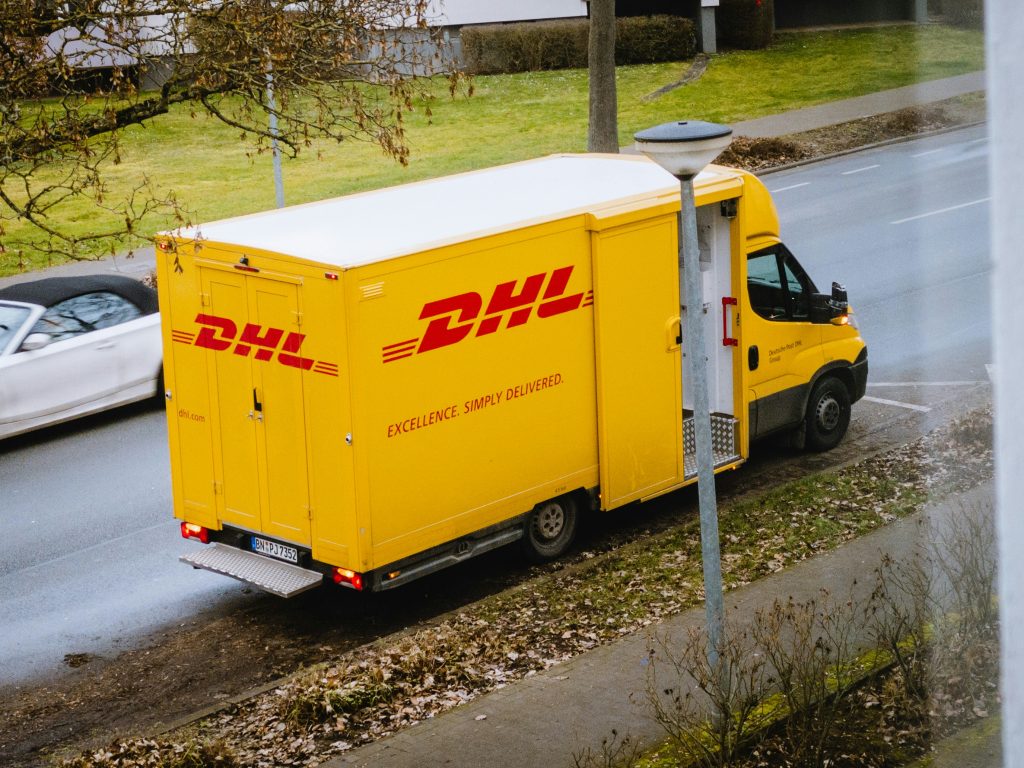
September 2025 witnessed significant strategic acquisitions that underscore the growing importance of specialised medical logistics. DHL agreed to acquire SDS Rx, expanding its lifesciences and healthcare capabilities, marking the second healthcare acquisition for DHL Supply Chain in 2025 following its earlier purchase of CryoPDP, a leading speciality courier focused on clinical trials, biopharmaceuticals, and cell and gene therapies.
This consolidation trend reflects the healthcare sector’s increasing demand for logistics partners with specialised capabilities in temperature-sensitive pharmaceuticals, clinical trial materials, and advanced therapies. In April 2025, UPS completed a $1.6 billion acquisition of Andlauer Healthcare Group, a strategic move aimed at expanding global cold-chain logistics capabilities and strengthening its position in healthcare supply chain services.
For UK healthcare providers working with private facilities including Bupa, Circle Health, and Spire Healthcare, these investments signal that global logistics leaders recognise medical logistics as a distinct discipline requiring dedicated infrastructure, trained personnel, and specialised systems beyond traditional courier capabilities.
Healthcare Logistics Market Demonstrates Robust Growth Trajectory
The healthcare logistics market, valued at $88.04 billion in 2023, is projected to reach $192.81 billion by 2032, representing a compound annual growth rate that significantly outpaces general logistics expansion. The Healthcare Supply Chain Management Market is surging at an 11.05% CAGR through 2034, driven by increasing complexity in pharmaceutical supply chains, growth in biologics and cell therapies, and heightened regulatory requirements.
This exceptional growth reflects fundamental shifts in healthcare delivery. Same-day medical logistics providers supporting surgical procedures, specimen transport, and emergency equipment delivery are no longer peripheral services but critical components of healthcare infrastructure. The market’s expansion creates opportunities for established providers with proven track records, ISO certifications, and extensive hospital networks to differentiate themselves from general couriers attempting to enter this specialised space.
AI Transitions from Experimentation to Operational Implementation
In 2025, healthcare providers and suppliers are increasingly concentrating on AI use cases that deliver return on investment, identifying practical implementations that enhance operations and meet evolving industry demands. Organisations are sharpening their focus on applying AI to predictive analytics, personalised patient care optimisation, supply chain enhancement, and advancing precision medicine at scale.

For medical logistics operations, AI implementation means more intelligent route optimisation accounting for real-time traffic conditions, hospital receiving schedules, and priority escalations. Predictive analytics enable proactive resource allocation, anticipating demand spikes for surgical equipment or specimen transport based on historical patterns and seasonal factors. Machine learning algorithms continuously refine delivery windows, reducing wait times whilst maintaining the reliability that time-critical medical deliveries demand.
AI-powered systems also enhance the clear audit trails that healthcare partners require. Advanced tracking capabilities provide granular visibility into vehicle locations, environmental conditions, and estimated arrival times, whilst machine learning identifies potential delays before they impact patient care, enabling proactive communication and contingency planning.
IoT and Supply Chain Visibility Become Healthcare Imperatives
IoT technology, supply chain visibility, and supply chain diversification represent top logistics trends in the pharma and healthc
are industry for 2025 and beyond. Internet of Things sensors enable continuous monitoring of vehicle conditions, ensuring sterile supplies remain within specified temperature ranges and medical equipment experiences appropriate handling throughout transit.
For medical logistics providers, IoT integration means every vehicle becomes a monitored environment. Sensors track temperature, humidity, vibration, and location in real-time, creating comprehensive data trails that support quality management systems and regulatory compliance. When transporting specimens that will inform patient diagnoses or surgical equipment required for scheduled procedures, this level of visibility isn’t optional – it’s essential to upholding partner reputations and supporting patient outcomes.
Real-time monitoring also enables immediate intervention when deviations occur. If a vehicle’s refrigeration system experiences issues during specimen transport, IoT systems trigger alerts enabling rapid deployment of backup vehicles before sample integrity is compromised. This proactive approach to quality control represents the evolution from reactive problem-solving to predictive risk management.
Tariff Pressures and Supply Chain Disruptions Continue
The broader logistics sector faces ongoing challenges that create ripple effects throughout healthcare supply chains. Recent announcements include 25% tariffs on heavy-duty trucks and 30% tariffs on furniture, whilst Canada lifted tariffs on U.S.-origin goods under CUSMA effective September 1, 2025, though 25% tariffs remain in place for steel, aluminium, and automotive products.
Whilst these tariff structures primarily impact international freight and manufacturing supply chains, they create indirect pressures on medical logistics through increased costs for replacement vehicles, spare parts, and fuel. UPS announced 2025 holiday shipping surcharges, notably higher than previous years, taking effect from September 28 through January 17, 2026, with demand surcharges ranging from $0.40 to $8.75 per package depending on volume and size.
For healthcare facilities, working with dedicated medical logistics providers becomes increasingly important during periods of supply chain volatility. Specialised couriers operating dedicated vehicle services – ensuring medical goods move alone rather than alongside non-medical items – provide insulation from general freight market disruptions and peak season capacity constraints.
UK Investment in Healthcare Logistics Infrastructure
DHL Supply Chain announced a £550 million investment to expand infrastructure and accelerate automation rollout across customer operations in the UK and Ireland, supporting growth in e-commerce and healthcare logistics. This substantial commitment reflects confidence in the UK healthcare logistics market and recognition that serving this sector requires purpose-built infrastructure, not repurposed general freight facilities.
The Royal Hampshire Hospitals NHS Foundation Trust and NHS Supply Chain demonstrated successful collaboration to reduce vehicle emissions, improve efficiency, and support sustainability goals without disrupting hospital operations. This case study illustrates how environmental considerations are becoming integral to healthcare logistics planning, with providers needing to balance sustainability commitments against the critical nature of their services.
The Distinction Between General Logistics and Medical Logistics
As the healthcare logistics market expands and general logistics companies pursue acquisitions to enter this space, the distinction between general courier services and specialised medical logistics becomes increasingly important. Medical logistics requires:
Sector-Specific Training and Understanding: Drivers and operations teams must understand hospital protocols, sterile handling requirements, and the patient impact of every delivery. This expertise develops through years of focused experience, not general courier training programmes.
Purpose-Built Quality Management Systems: ISO 9001 and ISO 14001 certifications provide frameworks for quality management and environmental standards, but healthcare logistics demands systems specifically designed around medical transport requirements, from temperature monitoring to chain of custody documentation.

Established Healthcare Networks: Relationships with multiple departments across hundreds of UK hospitals aren’t built overnight. These connections enable seamless coordination during emergency situations, understanding of individual facility receiving procedures, and the trust required for surgical teams to depend on equipment arriving precisely when scheduled.
Patient-Centric Operational Philosophy: The fundamental difference between medical logistics and general courier services lies in perspective. Medical logistics providers recognise that every delivery ultimately serves patient wellbeing – late surgical equipment doesn’t just disrupt schedules, it affects clinical outcomes and patient experiences.
Looking Ahead: Navigating the Evolving Healthcare Logistics Landscape
Several factors will shape medical logistics operations through autumn 2025 and beyond:
Continued Consolidation: Large logistics corporations will continue acquiring specialised healthcare courier companies, recognising this sector’s growth potential. However, successful healthcare logistics requires more than capital investment – it demands cultural commitment to medical sector standards and patient-focused operations.
Enhanced Regulatory Scrutiny: As cell therapies, gene treatments, and personalised medicines proliferate, regulatory requirements for transport and handling will become increasingly stringent, favouring established providers with proven compliance capabilities.
Technology Integration Pressures: Healthcare partners will increasingly expect sophisticated tracking, reporting, and predictive capabilities from their logistics providers. Investments in IoT, AI, and data analytics will become competitive necessities rather than differentiators.
Sustainability Imperatives: Healthcare organisations face growing pressure to reduce environmental impact whilst maintaining service reliability. Medical logistics providers must develop strategies balancing electric vehicle adoption, route optimisation, and carbon reduction against the 24-hour availability and dedicated service requirements of healthcare delivery.
The Value of Specialised Medical Logistics Partnership
The developments throughout September 2025 reinforce fundamental truths about medical logistics: it’s a specialised discipline requiring dedicated focus, appropriate infrastructure, and unwavering commitment to quality. As the healthcare logistics market attracts increased attention and investment, healthcare facilities must carefully evaluate potential partners.
Choosing a medical logistics provider means selecting an organisation that represents your reputation every time they interact with your patients, staff, and facilities. It requires partnering with teams who understand that delayed specimen delivery doesn’t just inconvenience laboratories – it delays patient diagnoses and treatment decisions. It means working with drivers who recognise that surgical equipment arriving late doesn’t simply disrupt schedules – it affects patient anxiety, surgical team efficiency, and clinical outcomes.
As September 2025 demonstrates through major acquisitions and substantial infrastructure investments, the medical logistics sector stands at a critical juncture. The market’s rapid growth attracts new entrants and consolidation, but successfully serving healthcare partners requires more than vehicles and tracking systems. It demands methodical processes developed through years of focused experience, conscientious standards maintained through comprehensive training and quality management systems, and genuine recognition that medical logistics ultimately serves patient wellbeing.
For healthcare providers, surgical centres, and private facilities navigating this evolving landscape, the question isn’t whether to prioritise logistics partnership – it’s whether your logistics provider genuinely prioritises the medical sector. The difference between general courier services and specialised medical logistics becomes most apparent not during routine deliveries, but during the critical moments when patient care depends on reliable, professional, time-sensitive transport of essential supplies and equipment.
The medical logistics providers who will continue leading this sector through 2025 and beyond are those maintaining unwavering focus on what matters most: ensuring time-critical, essential supplies reach healthcare facilities safely, reliably, and with the meticulous care that every patient deserves.